The History of Courchevel: How the Famous Ski Resort Was Created in 1946
Today, Courchevel is associated with luxury chalets and hotels, fine dining restaurants and an incredible variety of ski slopes. But around 80 years ago, there was practically nothing resembling the famous resort that exists today. There were small farms, forests and mountain pastures here.
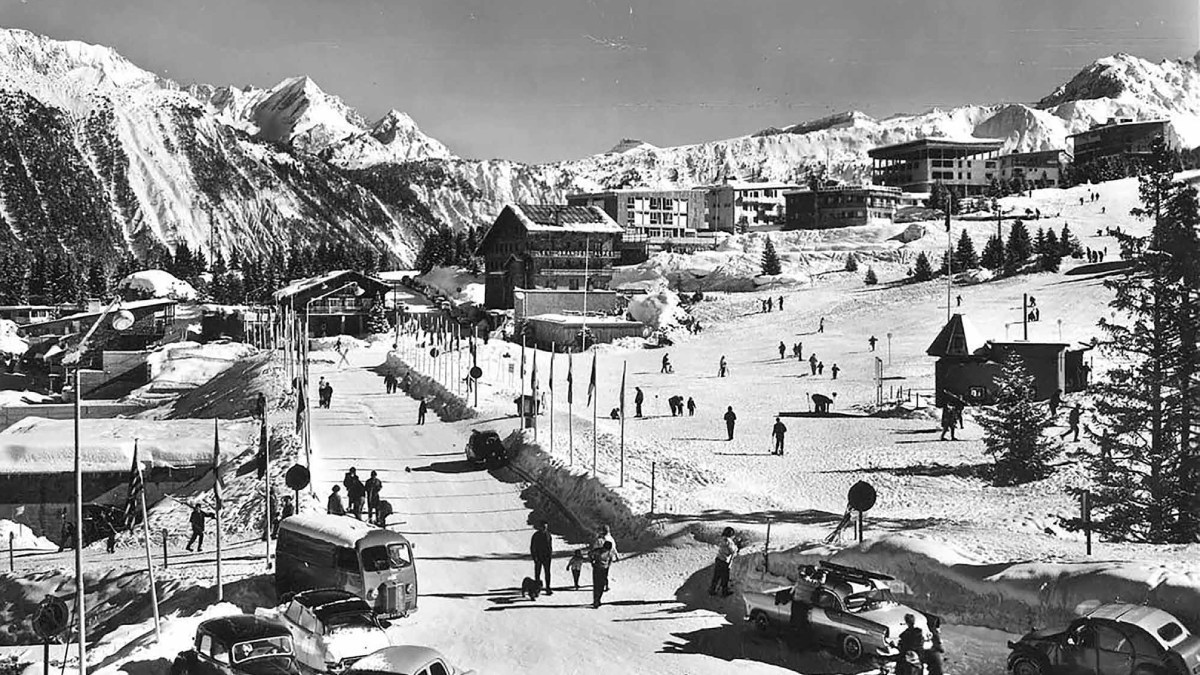
Our team decided to find out how our favourite Courchevel was created and how it developed.
It all began in 1946, when it was decided to build a new ski resort in this location, practically from scratch. For that time, it was an ambitious project: first, they came up with the idea of what a ski resort should be, specifically for skiers (taking their comfort and needs into account), and only then did they begin designing and building roads, hotels and other facilities.
Why Was It Decided to Build the Courchevel Ski Resort?
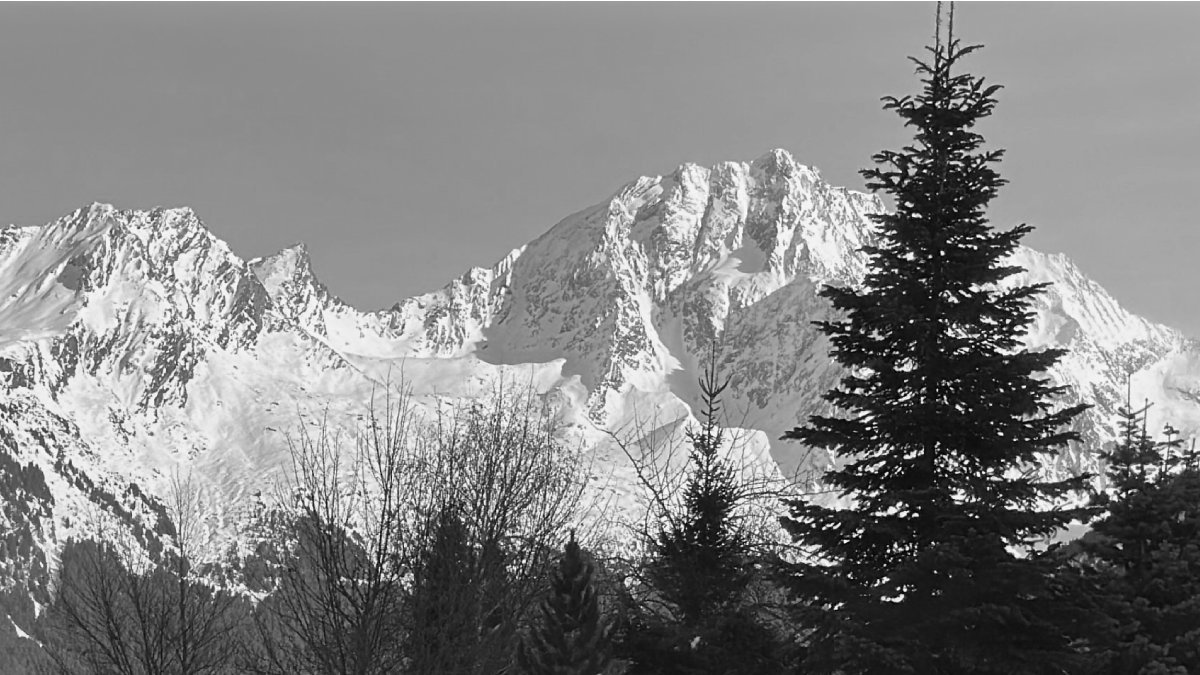
The history of Courchevel began primarily with skiing. The residents of Saint-Bon knew the slopes near their village very well. In summer, they grazed their livestock here and made hay, while in winter, these same mountain areas could be used for skiing.
One of the people who had a great influence on this project was Jean Blanc. He was a local resident and was considered one of the best French skiers of that time. Gradually, with the development of skiing, people realised that the beautiful mountains above Saint-Bon could be used for more than just agriculture.
In 1942, the French authorities organised an expedition to study the possibilities for developing the Tarentaise area, creating ski facilities and establishing the future Three Valleys ski area.
After the end of the Second World War, this issue received even more attention. France needed to rebuild its economy by all possible means and, of course, create jobs. The expansion of domestic tourism, including skiing, was considered one of the ways to develop the Alpine regions. This led to the decision to create a new ski resort in Savoie: Courchevel, which would help boost the local economy during the winter season.
The Founding of Courchevel in 1946 (Who Created the Resort?)
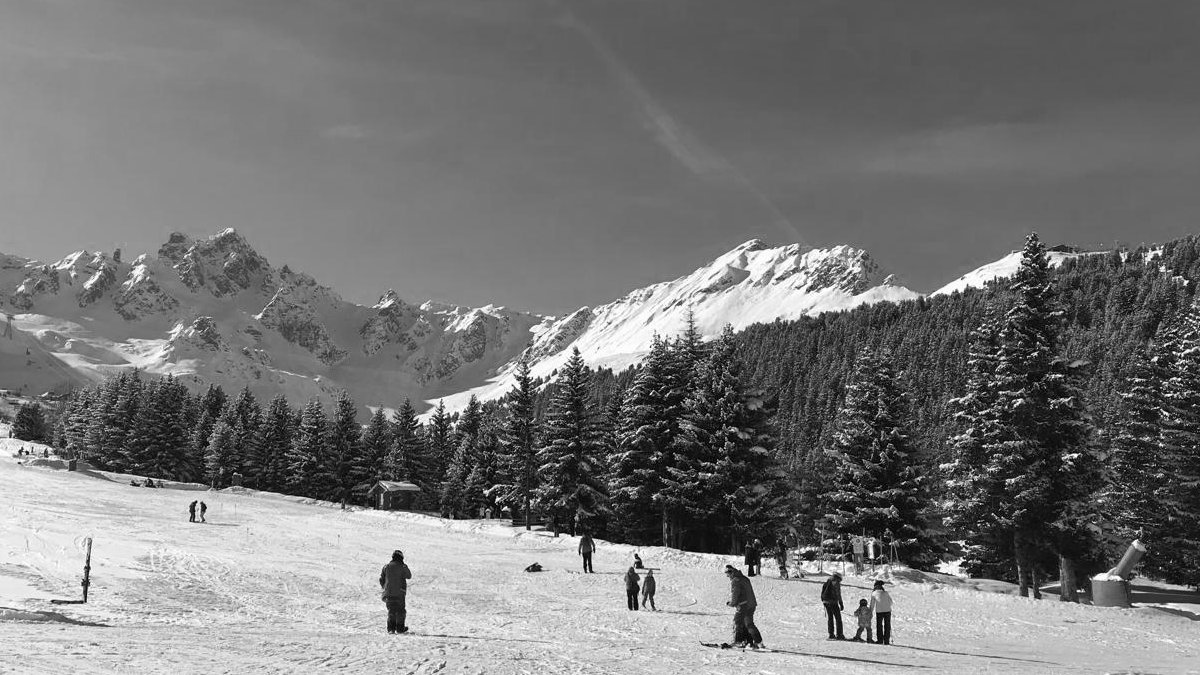
On 13 April 1946, the General Council of the Savoie department officially considered the project to create a new ski resort.
Architect Laurent Chappis was invited to develop the project. His task was to design a ski resort on the almost empty Tovets plateau.
The plan was certainly very ambitious. Infrastructure had to be created for 6,000 tourists, ski lifts had to be built, and a cable car towards Saulire had to be installed, not to mention all the other necessary sports facilities.
On 3 May 1946, the municipal council of Saint-Bon unanimously approved the transfer of the land required for the construction of the resort. This date can be considered the official beginning of the creation of what would become Courchevel.
In November of the same year, the new name Courchevel had already officially come into use.
Laurent Chappis and the Idea of Creating a Resort for Skiers
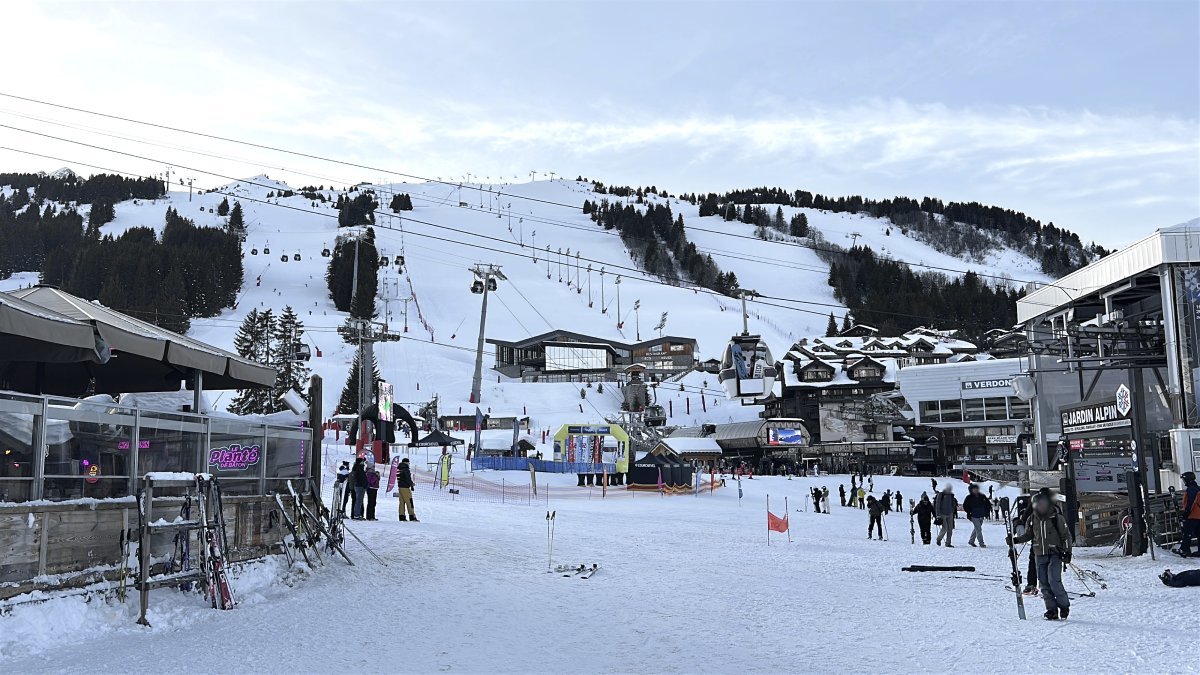
Courchevel was originally built differently from the way old Alpine villages were usually developed.
In traditional mountain villages, houses and streets gradually took shape over the years, depending on the terrain and the needs of local residents. In Courchevel, the approach was completely different. From the very beginning, they determined, quite literally, how a skier would descend the mountain: which slopes would be best suited for this, how the ski runs would be laid out and where the lifts would be installed. Only then were the other facilities, including buildings and roads, designed and positioned around this main sporting objective.
Laurent Chappis himself called this approach the creation of a "ski city". The mountain terrain, the direction of the slopes, the angle of the sun's rays, the snow cover and the convenience of access to the ski slopes determined the location of roads, hotels and public spaces.
The idea was simple: a person would leave their hotel and, within 10 minutes, be on the slope with skis on their feet. For this reason, many hotels were located close to the ski runs and lifts.
For that time, this was an advanced approach to building ski resorts.
The Origin of the Resort's Name: From Tovets to Courchevel
Initially, the ski resort was going to be called Tovets, after the name of the plateau where the resort was being built.
But in the end, the name "Courchevel" was chosen. It comes from a local place name and the Savoyard dialect. The name is associated with the word "écortzevé", which can be translated as "bare" or "stripped". According to the version presented in the local historical account, the name of the area gradually changed in pronunciation and spelling:
écortzevé → cortzevé → corchevé → Courchevel
This is not a translation of the word, but its historical transformation in the local dialect, followed by its adaptation to French spelling. This sequence is described in materials published by the Vanoise National Park.
According to local legend, "écortzevé" was the name of a section of mountain pasture at an altitude of approximately 1,500 metres. In the local dialect, the word écortzevé is associated with the French word écorché, meaning "skinned", "stripped" or "scratched". In spring, thick and tough grass grew there, which could scratch the calves' tongues. The shepherds made sure that the cows did not graze in this area. This is what the original name is associated with.
In 1946, Pierre de La Gontrie began using the name Courchevel for the new ski resort instead of Les Tovets. On 30 November 1946, the name was officially approved.
The name "Courchevel" turned out to be more interesting for the future ski resort than "Tovets", and today it is known all over the world.
The First Hotels, Roads and Ski Lifts in Courchevel
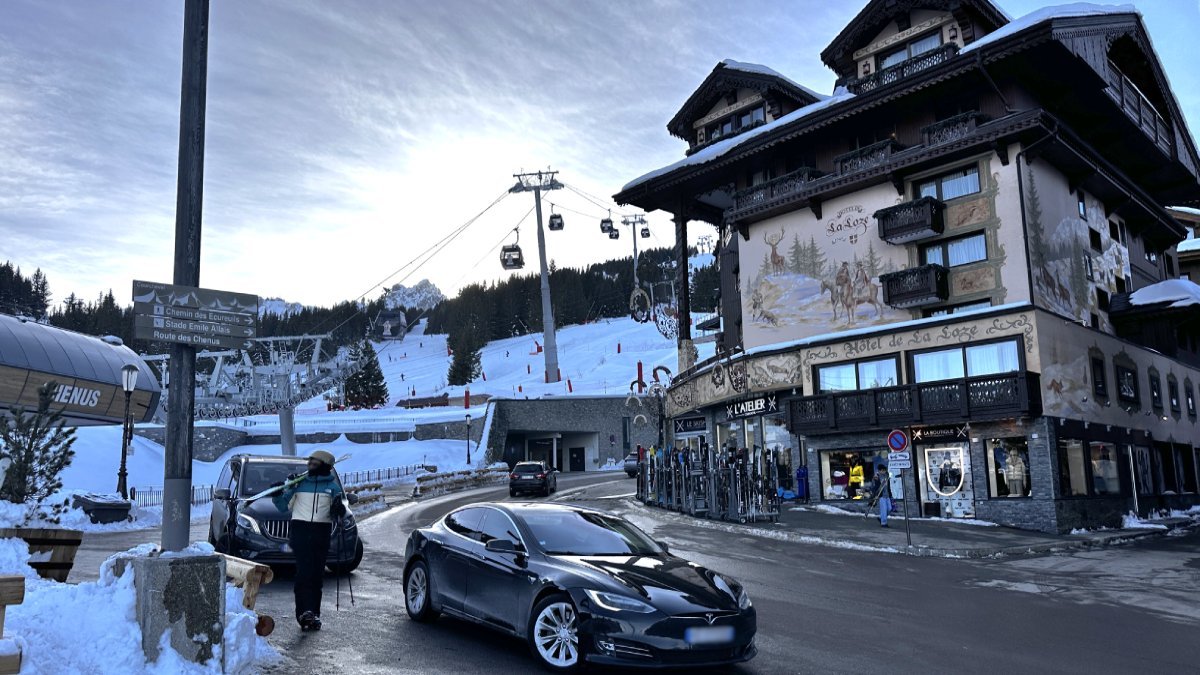
Construction of Courchevel began in 1946. The infrastructure required for a ski resort was created: roads, electricity supply, telephone connections and water supply.
The next stage involved building the first hotels and ski lifts.
In 1947, the hotels "Hôtel Départemental des Trois Vallées" (unfortunately it doesn't work anymore) and "Chalet-Hôtel de la Loze" opened (still accepts tourists). Courchevel itself looked nothing like the resort we know today. There were not so many hotels and chalets, nor were there the boutiques, shops and restaurants that attract some tourists today.
Gradually, the entire resort began to take shape around the ski infrastructure that had been created. First of all, the upper resort area, which we now call "Courchevel 1850", grew rapidly.
Émile Allais and the Development of the Ski Resort
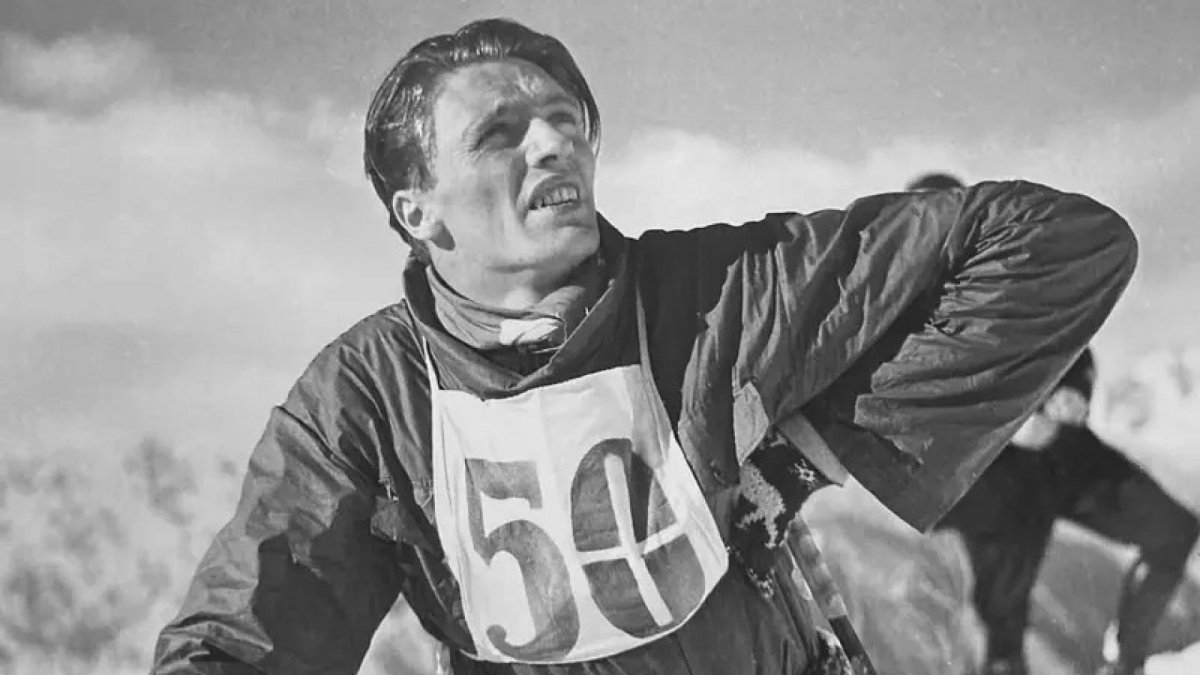
In the early 1950s, Émile Allais, one of the most famous French skiers of that time, became involved in the development of Courchevel.
From 1954 to 1964, he was the technical and sporting director of Courchevel. Under his leadership, great attention was paid to the quality of ski slope preparation, the condition of the lifts and the organisation of skiing itself.
In 1952, a cable car to Saulire was built. This was a fairly important moment in the development of Courchevel itself and the entire future Three Valleys ski area.
In 1959, ski slopes in Courchevel began to be prepared using the first Sno-Cat tracked snow groomer. At the same time, modern methods of working for ski slope rescue teams were being developed.
Courchevel was gradually becoming a fully developed ski resort, with its own system of lifts, slopes and professional services.
Courchevel Airport (The History of the High-Altitude Altiport)
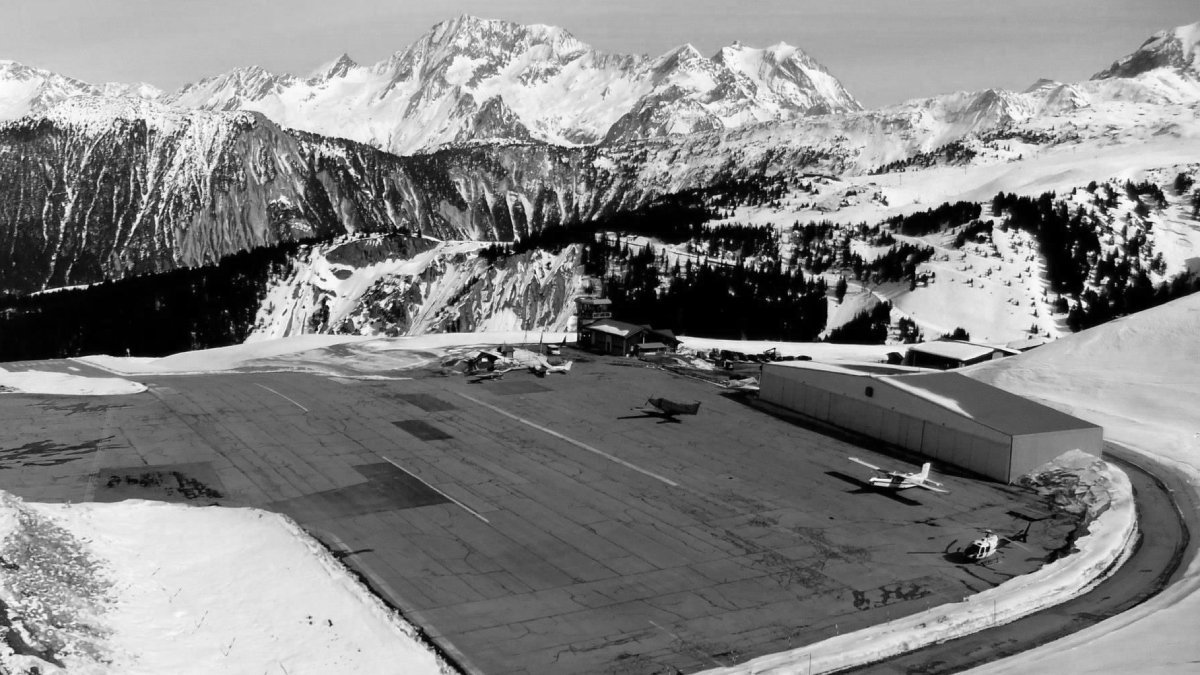
Courchevel has another undeniable advantage that most ski resorts cannot boast of: its own airport at high altitude (an altiport).
The decision to build the runway was made in 1961. The first aircraft landed there on 31 January 1962.
Today, this airport is more commonly called an altiport. The term "altiport" appeared in connection with the opening of another airport in Méribel on 30 January 1962, and was then also used for the mountain airport in Courchevel.
The first passengers arrived at the altiport literally "with their skis on". Aircraft brought people directly into the mountains, after which skiers could immediately start skiing down the slopes.
A small hangar was built next to the runway. Tracked machinery from the polar expeditions of Paul-Émile Victor was even used to prepare the runway.
The first flights connected Courchevel primarily with Geneva, Lyon and Chambéry.
Nowadays, tourists fly to the altiport by helicopter, book a private car transfer from Geneva to Courchevel, or buy a bus ticket if they want to save money.
Courchevel Today
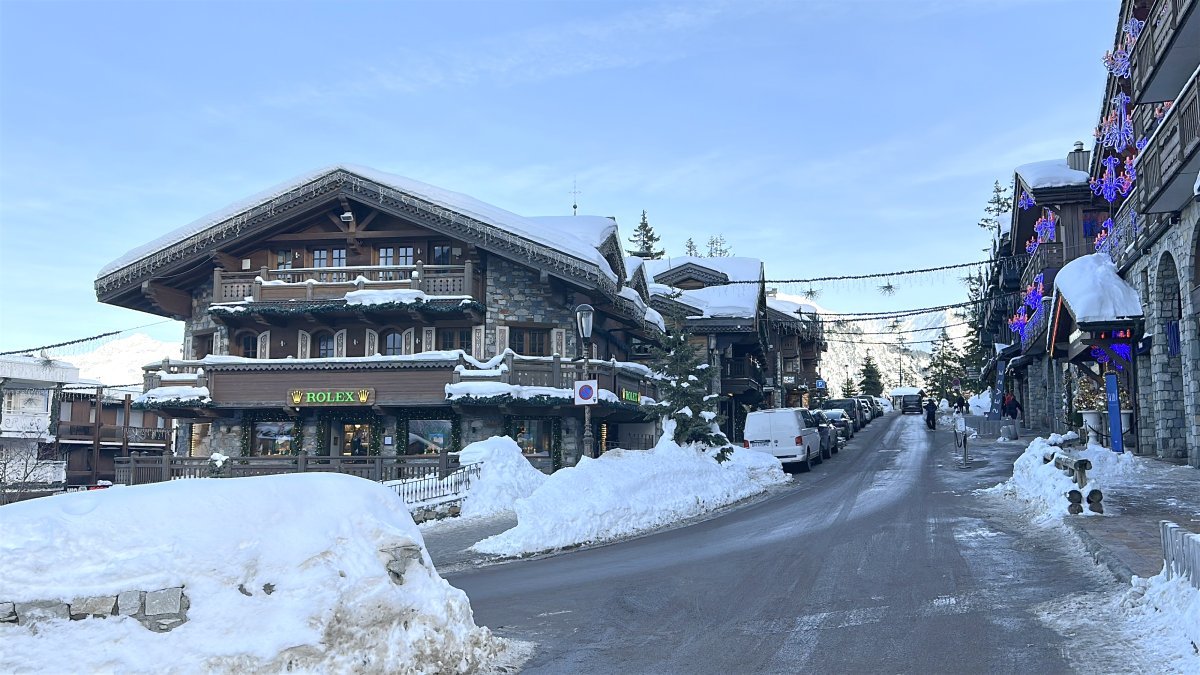
Today, the Courchevel resort is spread across different altitudes and consists of six villages:
- Saint-Bon (1100 m)
- Le Praz (1300 m)
- La Tania (1400 m)
- Courchevel Village (1550 m)
- Courchevel Moriond (1650 m)
- Courchevel 1850 (1850 m)
Each of them has its own character, advantages and disadvantages. There are traditional Alpine villages as well as luxury ski resorts with five-star hotels.
The most famous of them is, of course, Courchevel 1850. It has become a symbol of luxury holidays in the French Alps. This is where expensive hotels, private chalets, luxury brand shops and all kinds of fine dining restaurants appeared.
Initially, Courchevel was created as a very convenient place for skiing. Nobody expected that it would become a centre for displaying wealth.
80 Years of History
On 30 November 2026, Courchevel turns 80. It was on 30 November 1946 that the General Council of the Savoie department officially approved the name Courchevel for the new ski resort. This date is considered the birthday of Courchevel.
Over 80 years, the mountain plateau has turned into one of the most popular ski resorts in the world. Hotels and chalets have been built, a complex and convenient network of lifts has appeared, and the entire tourist infrastructure has developed. Courchevel has also become an important part of the huge Three Valleys ski area.
It is important that Courchevel still fulfils the objectives originally set by its creators: convenience for skiers, high-quality slopes and easy access to the mountains.
The history of Courchevel is an example of how a well-designed project can completely transform a place in the mountains. In 1946, the decision was made to create a completely new ski resort designed for the development of winter tourism.
Over the following decades, this project grew into a large international resort, known among ski enthusiasts all over the world.
The celebration of Courchevel's 80th anniversary is scheduled for 4 December 2026 under the name "Courchevel 80". The event will take place at the Forum ice rink in Courchevel 1850.
Other blog articles about Courchevel
If you are planning a trip to Courchevel, you may also find our other articles about this resort useful: about ski slopes, lifts, entertainment and other ways to get to Courchevel:
Frequently Asked Questions About the History of Courchevel (FAQ)
When was the Courchevel ski resort founded?
The history of Courchevel began in 1946. On May 3, the municipal council of Saint-Bon signed the transfer of a plot of land for the construction of the resort. 30.11.1946 is considered Courchevel's birthday. On this day, the name "Courchevel" was officially approved.
What was there before the Courchevel resort was built?
Originally, there were wild mountain slopes where local residents grazed their livestock and collected hay in summer, and in winter they skied there for fun.
Who came up with the idea and designed Courchevel?
Laurent Chappis was a French architect who was one of the creators of Courchevel on the Tovets plateau. His idea was to create a ski resort using a new method: first the ski slopes and lifts, and only then the hotels and the rest of the resort's infrastructure.
Why was the decision made to build Courchevel in 1946?
After the Second World War, the French economy needed money and new jobs. It was decided to develop the Savoie region, including during the winter season, by attracting tourists for skiing. That is why Courchevel was subsequently created and became a very large resort.
Where does the name Courchevel come from?
It is believed that the name Courchevel is connected with the local Savoyard dialect and the old place name "écortzevé". One version says that it was an area of mountain pasture where tough grass could literally "scratch" the tongues of calves. Over time, the pronunciation and spelling changed, and the name transformed into the modern "Courchevel".
When did the first hotels open in Courchevel?
In 1947 two hotels opened in Courchevel: Hôtel Départemental des Trois Vallées (no longer operating) and Chalet-Hôtel de la Loze (still operating today).
What role did Émile Allais play in the development of Courchevel?
Émile Allais played an important role in the development of Courchevel. He was the technical and sports director in Courchevel from 1954 to 1964. He made a great contribution to improving the quality of the slopes, the convenience of the lift system and the overall organisation of skiing.
When did the first snow groomer appear in Courchevel?
The first snow groomer appeared in Courchevel in 1959. It was a Sno-Cat tracked vehicle. It helped level the slopes and maintain the snow cover in the condition needed for skiing.
When did the Courchevel altiport open?
The decision to create an airfield in Courchevel was made in 1961. The first aircraft landed on its runway on 31.01.1962. It is called an altiport and allows tourists to fly directly into the mountains, close to the ski slopes.
How many villages are part of modern Courchevel?
Modern Courchevel consists of 6 villages located at different altitudes: Saint-Bon (1100 m), Le Praz (1300 m), La Tania (1400 m), Courchevel Village (1550 m), Courchevel Moriond (1650 m) and Courchevel 1850 (1850 m). Every traveller will find a Courchevel village that suits their style of holiday.