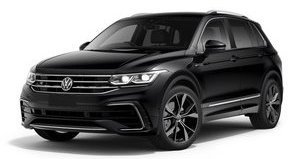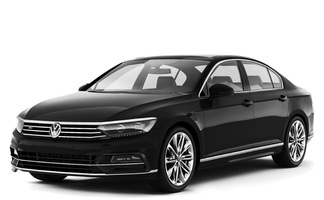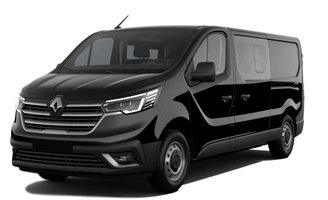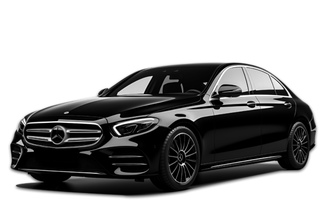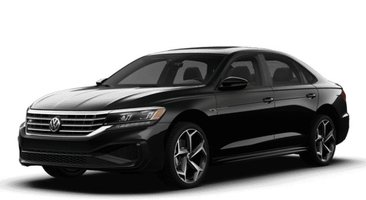
Economy
Volkswagen Jetta
Mazda 3
Mazda 3
4 pax

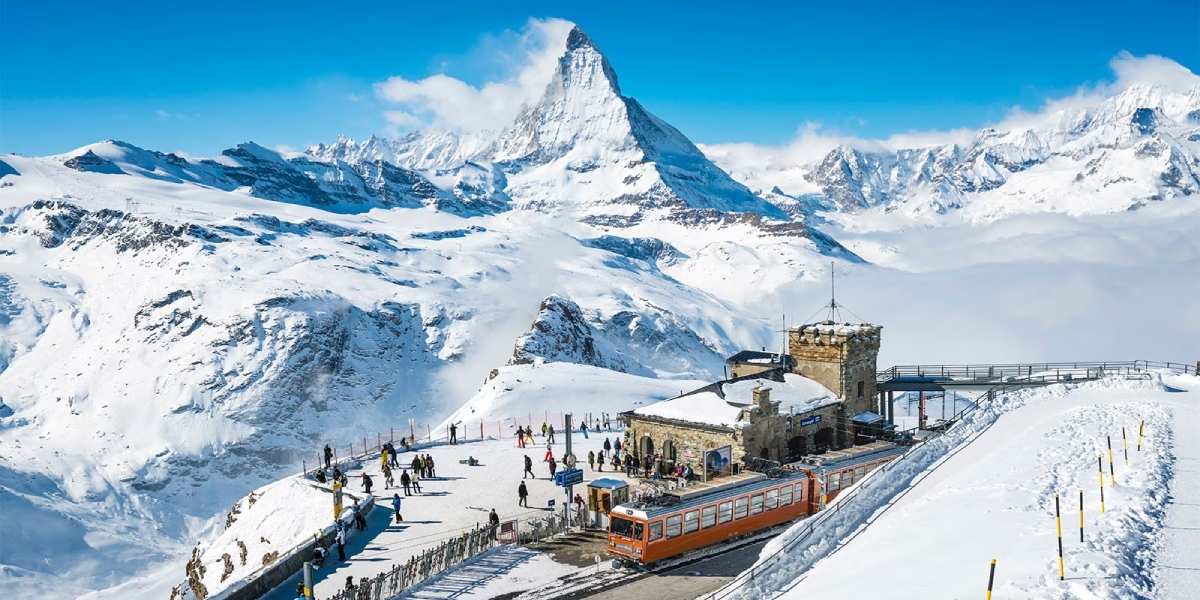
Private transfer from Milan airport Malpensa to Zermatt (to Tasch station) is the most common choice among tourists during the winter season. The transfer price is €400 (for Economy class). The travel time is 3 – 3.5 hours. The route follows the E62 motorway, and the distance to Tasch station is 189 km.
Zermatt is a ski resort where free use of cars is prohibited. Therefore, all visitors travel as far as the Tasch station and then take a special train that brings them directly to Zermatt (about 10 minutes). Inside Zermatt, people move around on foot or by special electric vehicles, which you can request from your hotel or parking area.
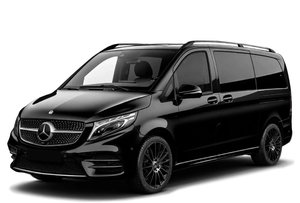
If you would like to book a transfer to Zermatt (Tasch) in a vehicle above Economy class, the price will differ. For example: Comfort class passenger car (Volkswagen Passat) = €420; Business class (Mercedes E-Class) = €450; Premium class van (Mercedes V-Class) = €470.
Our transfer prices always include: child seats or booster seats (upon request); toll roads and parking; waiting time at the airport up to 1 hour after flight landing (20 min near hotel).
To book a transfer, you can email us, fill out the form on our website, or contact our operator directly via WhatsApp. We recommend booking in advance, as high demand reduces the selection of cars closer to your travel date. Payment can be made in advance or on the day of travel by cash or card.
The driver will message you via WhatsApp the day before, meet you at the airport with a sign, help with your luggage, and escort you to your car. Transfers are available 24/7, seven days a week without days off and holidays
The trip from Milan or Malpensa Airport to Zermatt is one of the most scenic yet challenging winter journeys in the Alps. The route runs through northern Italy and southern Switzerland, combining motorways, mountain roads, and Alpine passes.
Distance: from Milan = 226 km, from Malpensa Airport = 189 km
Average travel time: In winter, approximately 3 – 3.5 hours (depending on weather conditions and mountain roads)
Let's take a closer look at the route. The first 100–120 km of the journey are on the A8 and A26 expressways. These are comfortable motorways with toll sections that lead through the flat part of Lombardy to the foothills of the Alps. After Domodossola, the SS33 mountain road begins, leading to the Swiss border and then to the Simplon Pass or Simplon Tunnel (depending on the season and weather). In winter, during heavy snowfall, part of the pass may be closed. In this case, the car is loaded onto a special car train, which transports both the vehicle and passengers through the Simplon Tunnel, allowing you to travel without the risk of snowdrifts or avalanches. Passengers may remain in their car during the journey or move to a passenger carriage. The trip through the tunnel takes about 20 minutes, and the train runs approximately every 90 minutes (keep this in mind so you don’t miss your flight). The cost is around 54 CHF for a round trip.
From Brig to Tasch, the road follows well-groomed Swiss roads through the Vispa Valley. The distance is approximately 40 km, and travel time is approximately 40–50 minutes. This section runs through a gorge, so short icy stretches are possible in winter, but the road is usually well-paved and open.
As already mentioned, Zermatt is a pedestrian resort, and private vehicles are prohibited. Therefore, the car will take you to the parking complex in Tasch, where you can either transfer to the Matterhorn Gotthard Bahn electric train (every 20 minutes, 12 minutes total) or book an electric taxi or car to your hotel in Zermatt.
Please note that the route crosses the Italian-Swiss border, so you will need to have your passport or ID card with you.
 |
ByCAR has received the "Travelers' Choice 2025" award from Tripadvisor this year, which reflects the high quality of our services and our attentive approach to our clients. |
We gratefully accept reviews from our customers about trips from Milan and Malpensa Airport to Zermatt. Many passengers share their impressions via email, WhatsApp, or Tripadvisor. If you are new to us and are planning to use our services for the first time, we recommend that you first read reviews from our regular customers. This will help you get an idea of the quality of service. After your trip, you can also leave a comment and share your impressions of the transfer.
 |
Sonya (Nov 2025)
Every year we ski in Zermatt and St. Moritz, and for the last eight years we have been ordering transfers from Bycar. We drive there from the airport of Zurich, Geneva and Milan. Bycar cars are beautiful, new and clean, and the drivers are good guys, punctual and responsive. Most of all we like to drive from Milan, because a few days spend on shopping - guys take us to the outlette Serravalle. Well and around Milan like to walk.
(read original review on Tripadvisor)
|
 |
Viola (Oct 2025)
Great Service, I am a regular customer every time I travel to Milan for work or not. I highly recommend, thank you very much for your kindness and seriousness!!
(read original review on Tripadvisor)
|
 |
Irene (June 2025)
Our flight was delayed for hours - our driver was there waiting for us as we came out. Brilliant service polite and efficient. Could not fault service from booking to arrival at our destination.
(read original review on Tripadvisor)
|
 |
Tour (Jan 2025)
Excellent service, good cars and experienced drivers. Managers quickly matched cars to rides. From us 2 families with whom vacationed left with bycar and were satisfied as we were. The best! We will use and recommend to friends
(read original review on Tripadvisor)
|
You can find out more information about the company ByCAR and about our work in social networks Facebook, X, LinkedIn, Instagram, Tripadvisor).
 |
 |
 |
 |
 |
| X | TripAdvisor |
The price for a private transfer from Milan Malpensa airport to Zermatt (Tasch) starts at 400€ per vehicle, depending on the vehicle class (economy, comfort, business, or premium) and its capacity (sedan, SUV, van, or bus).
Prices may vary during certain periods, such as holidays, weekends, the Christmas and February holidays, when demand for transfers increases. Prices are also higher for overnight trips or if an additional waiting time is required at the airport or near the hotel. Booking in advance allows you to lock in your rate and avoid seasonal price increases, especially during the winter season, when tourist traffic increases significantly.
| Car class | Price |
|---|---|
| Economy | 400€ |
| Comfort | 420€ |
| Comfort van | 430€ |
| Business | 450€ |
| Business van | 450€ |
| Premium van | 470€ |
A private transfer from Milan airport Malpensa to Zermatt (Tasch) means a personalized service. Therefore, each of our clients can be sure that the vehicle will meet their needs and transfer requirements. Depending on the number of passengers and luggage size, we select a suitable and comfortable mode of transport for you: sedan, SUV, minivan, or minibus, as well as a service class: economy, comfort, business, or premium, which is determined by your preferences for comfort and travel style.
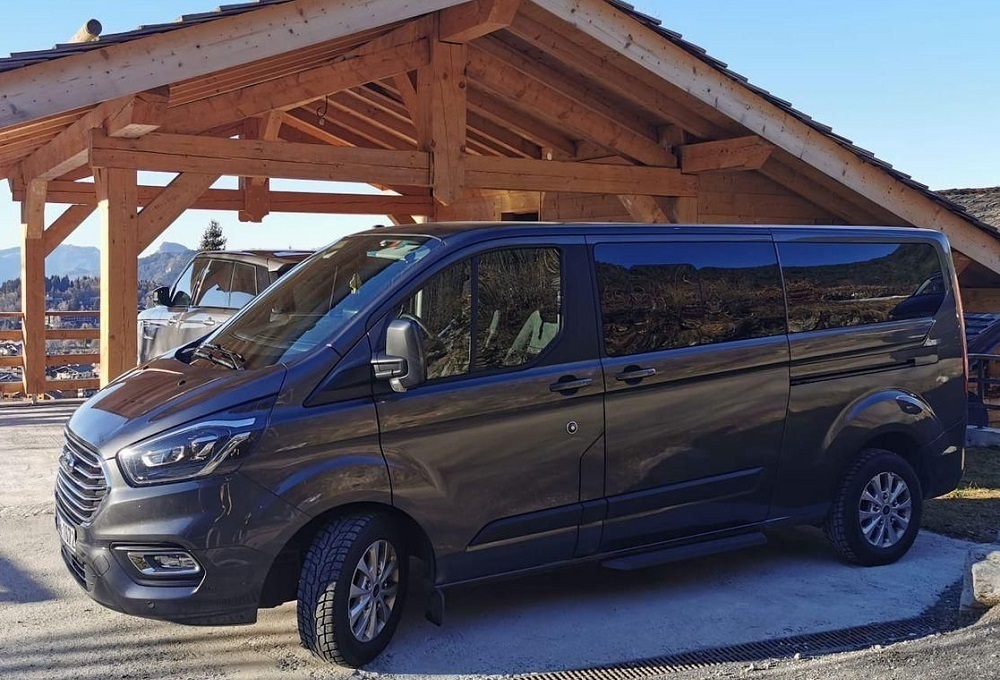
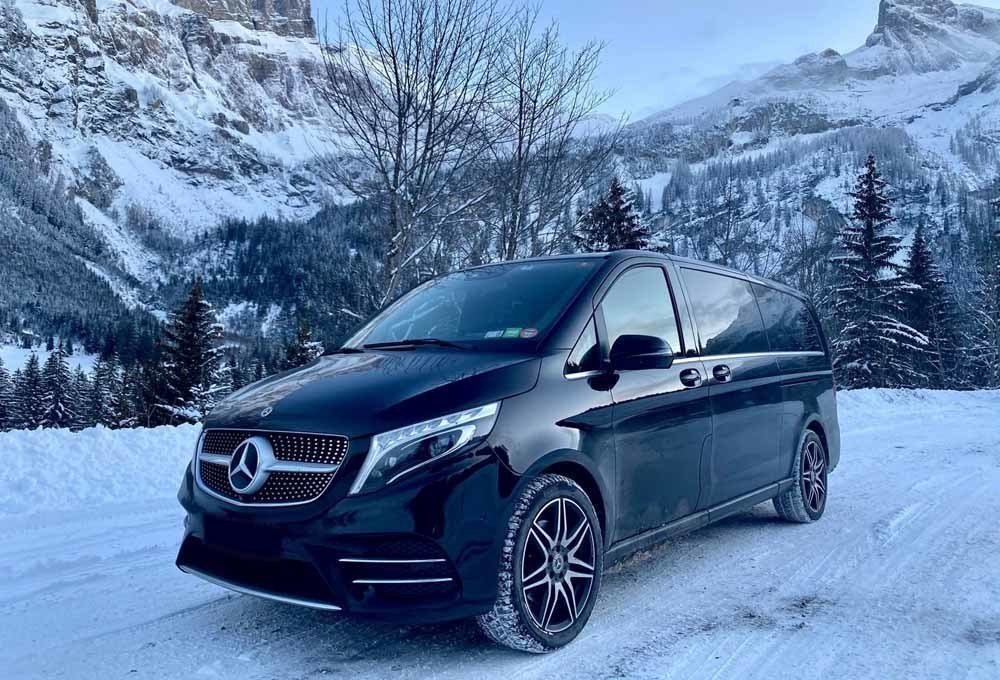
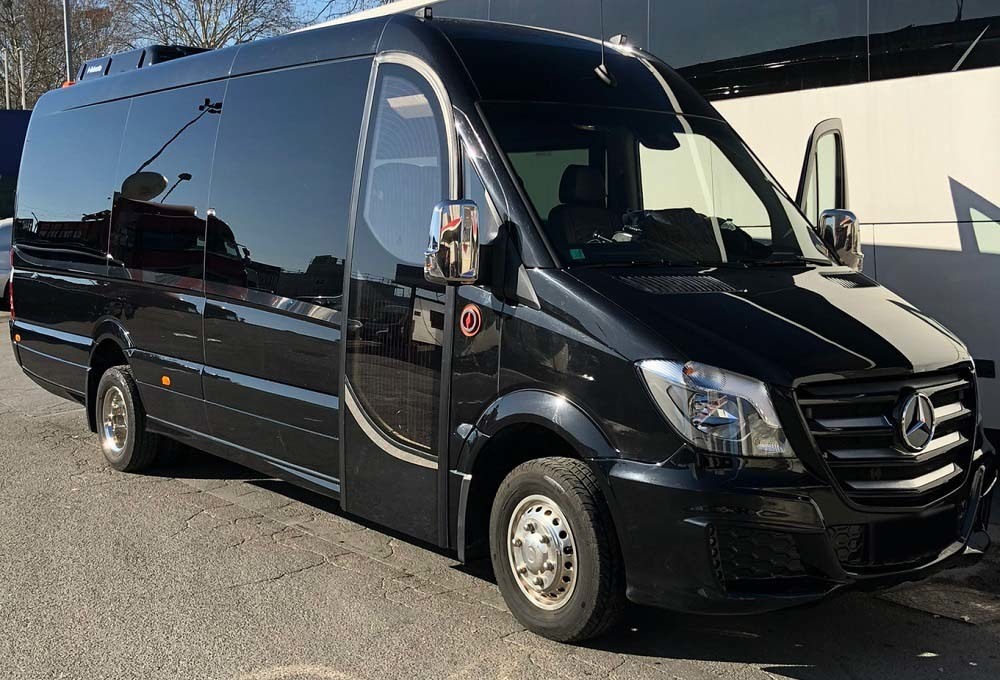
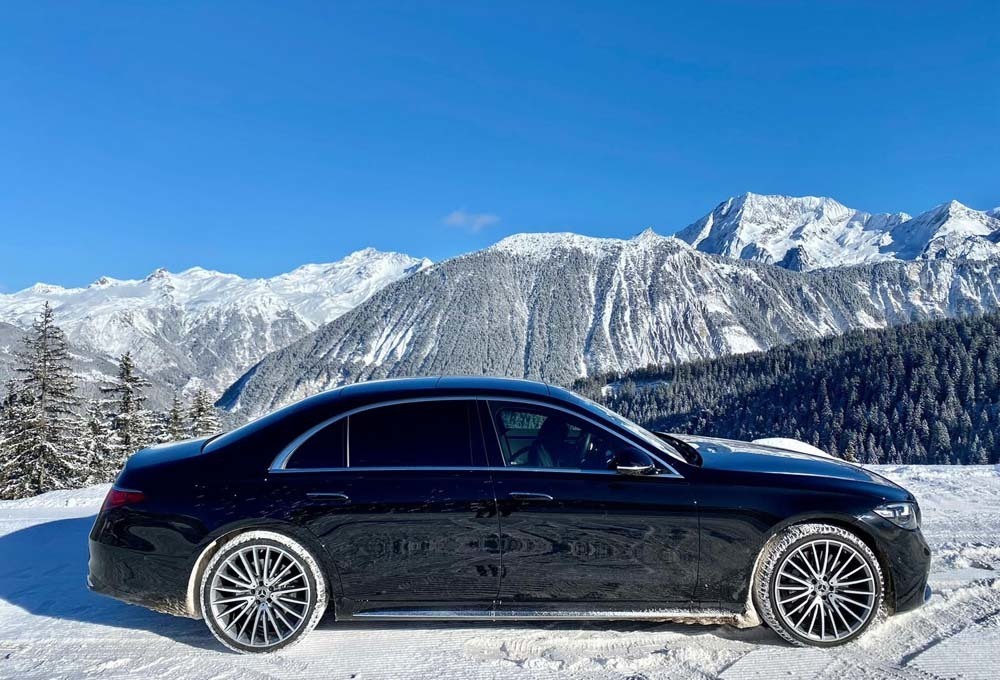
The average travel time from Milan airport Malpensa to Zermatt (Tasch) by car is 3 to 3.5 hours, depending on the route and road conditions. The distance from Malpensa is approximately 198 km (from central Milan 226 km). The route passes through northern Italy and southern Switzerland, including scenic lakeside areas and alpine climbs.
Trip duration is variable and can change under certain circumstances. What factors influence the duration of the trip the most?
Snowfalls and generally unfavorable weather conditions occur during the winter period from December to March.
The peak tourist season, which traditionally occurs during the Christmas and New Year holidays, as well as during school holidays, which in many European countries fall between late February and early March, can be challenging. During this time, traffic jams are possible on highways and at border crossings.
Weekends (especially Friday and Saturday mornings) are characterized by increased traffic flow from Milan and the airport toward the mountains.
Rush hours in the morning and evening on weekdays, as well as Sunday afternoons, when tourists return to Italy, can also occur.
In all these cases, the journey can take 5 hours or more. We strongly recommend that you take these factors into account and perhaps adjust your travel dates and times for a more comfortable journey. This will also help avoid additional expenses.
 |
You order a transfer on our website |
 |
We send you a confirmation and contact details |
 |
Our driver meets you at the airport arrival with a sign |
 |
The driver takes you to your hotel or apartment in Zermatt |
 |
You make the balance payment to the driver |
Italian taxis from Milan Malpensa Airport to Zermatt (up to the Tasch parking area) cost around 600–700€ (the exact price is not known in advance and depends on many factors). If you want to book a taxi for the return trip from Zermatt (Tasch) to Milan Airport, you will need to take a Swiss taxi, which is much more expensive 800–1000 CHF.
The distance from Malpensa Airport to Zermatt (Tasch) is 189 km, and a taxi covers it in 3 - 3.5 hours.
Typically, taxis are sedans that comfortably accommodate 2–3 passengers and up to 3 suitcases in the trunk. However, they may not have enough space for sports equipment such as skis or snowboards. If you are traveling with a large group and a lot of luggage or gear, finding a minivan at the airport can be quite challenging.
number of passengers
size and number of suitcases
ski equipment
child seats
waiting in traffic
evening and night hours
public holidays
toll roads are paid separately
Sedans:
Daytime rate on weekdays is about €2–3/km, while nighttime and public holidays cost €3–4/km.
Minivans:
Slightly more expensive: daytime rate is €3–4/km, and nighttime and public holidays are €4–5/km.
Using this table, you can compare the main pros and cons of taxis and transfers from Milan Malpensa airport to Zermatt and make your choice when planning your trip.
| Parameter | Taxi | Private Transfer |
|---|---|---|
| Average price | 700 - 1000 EUR | 400 - 470 EUR |
| Travel time | 3 - 3.5 h | 3 - 3.5 h |
| Fixed cost | ❌ No | ✅ Yes |
| English-speaking driver | ❌ Rare | ✅ Always |
| Luggage space | Limited | Spacious vans |
If you want to pay less than a taxi for your trip, then check out the prices for a private transfer from Milan Malpensa airport to Zermatt.
To ensure your choice of transport from Milan or Malpensa to Zermatt (Tasch) is informed and well-thought-out, and to ensure your trip is a positive experience, we've provided below complete information about the route, luggage types, vehicle classes, and vehicle capacities on our transfers.
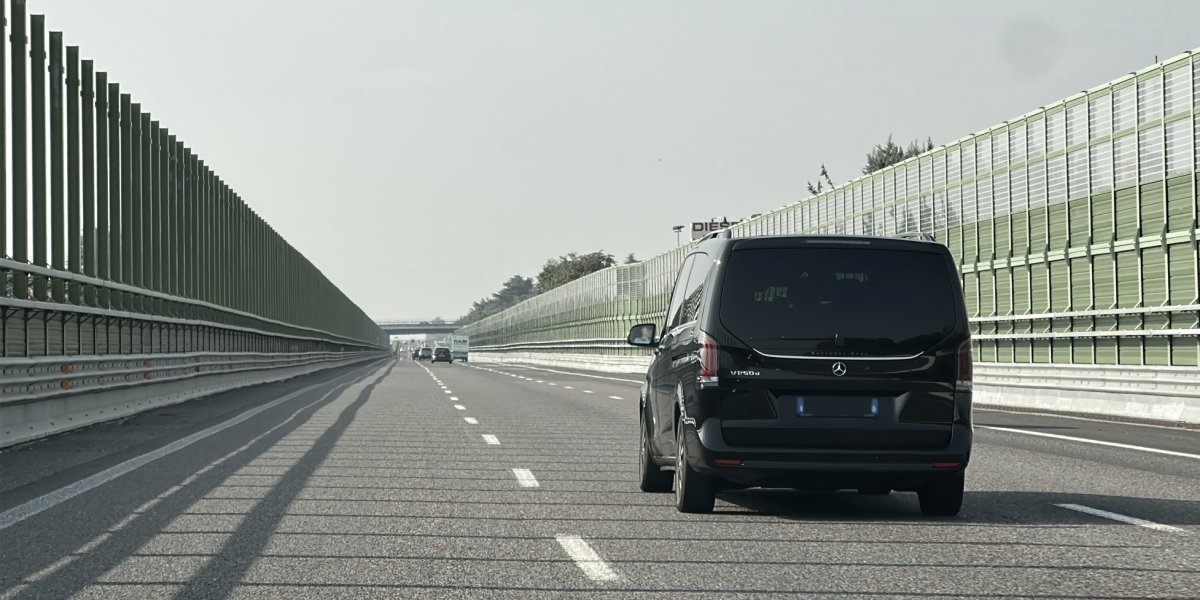
Upon arrival at the airport, your driver will meet you in the arrivals area holding a sign with your name so you can easily find them. We will send you the driver's name and WhatsApp number in advance so you can quickly contact them if needed, which is especially convenient in a crowded terminal. Free Wi-Fi is available at the airport, making it easy to connect.

Our driver monitors the current flight schedule on the airport website and adjusts the pickup time if there are any changes. This ensures the car will be ready just as you exit the arrivals area. The transfer price includes one hour of free waiting time after landing. If you plan to stay longer at the airport, for example, to visit a café or shop duty-free, simply let us know in advance when making your reservation to avoid additional charges for excessive waiting.
In winter, Zermatt is a magnet for skiers and other winter sports enthusiasts, meaning your luggage may often include sports equipment. It's crucial for us to know its full description and dimensions, as this ensures your comfort, as the transfer vehicle is selected primarily based on your luggage information. Information we request when booking a transfer.
Suggested information when booking:
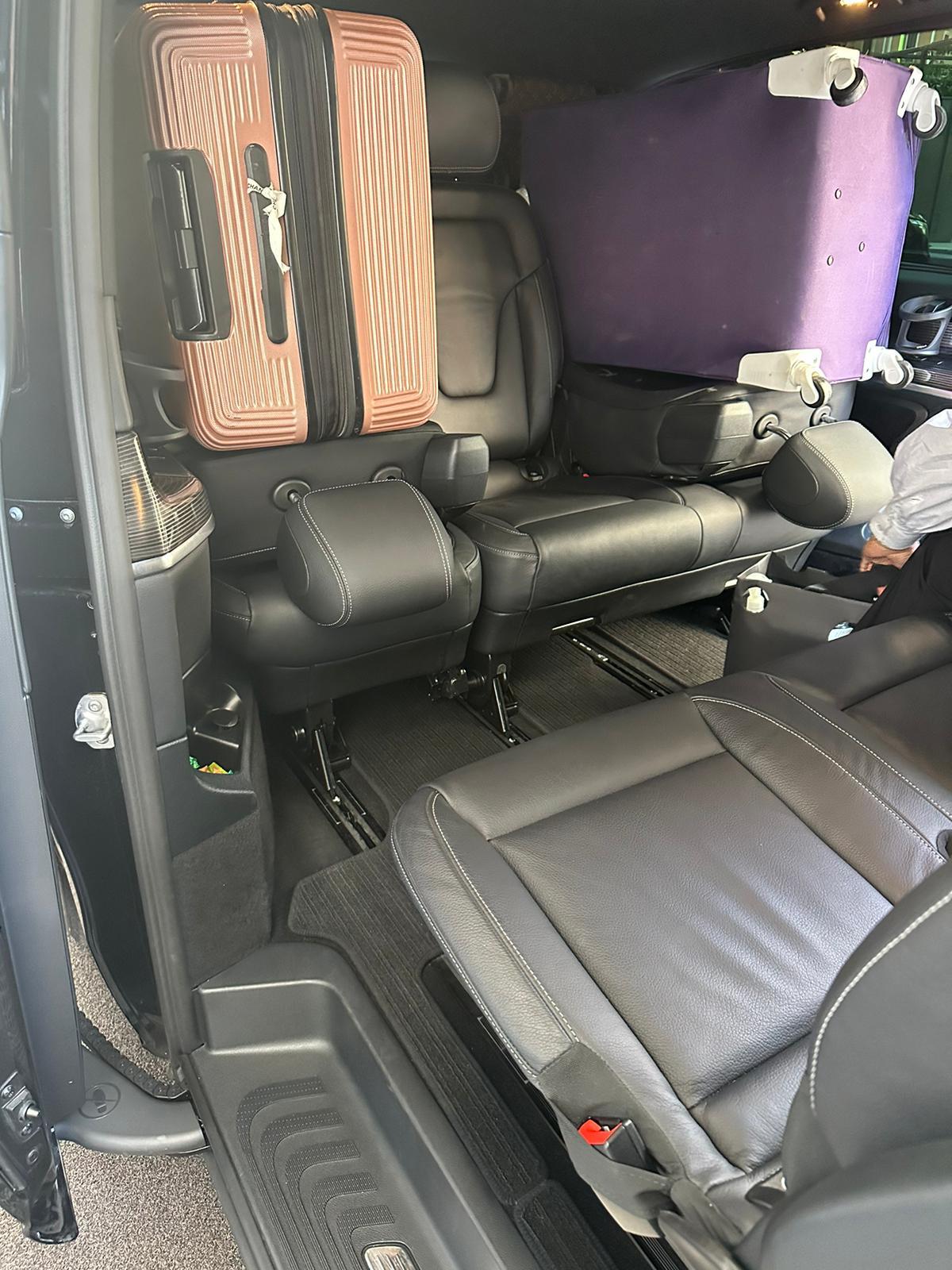
Luggage size:
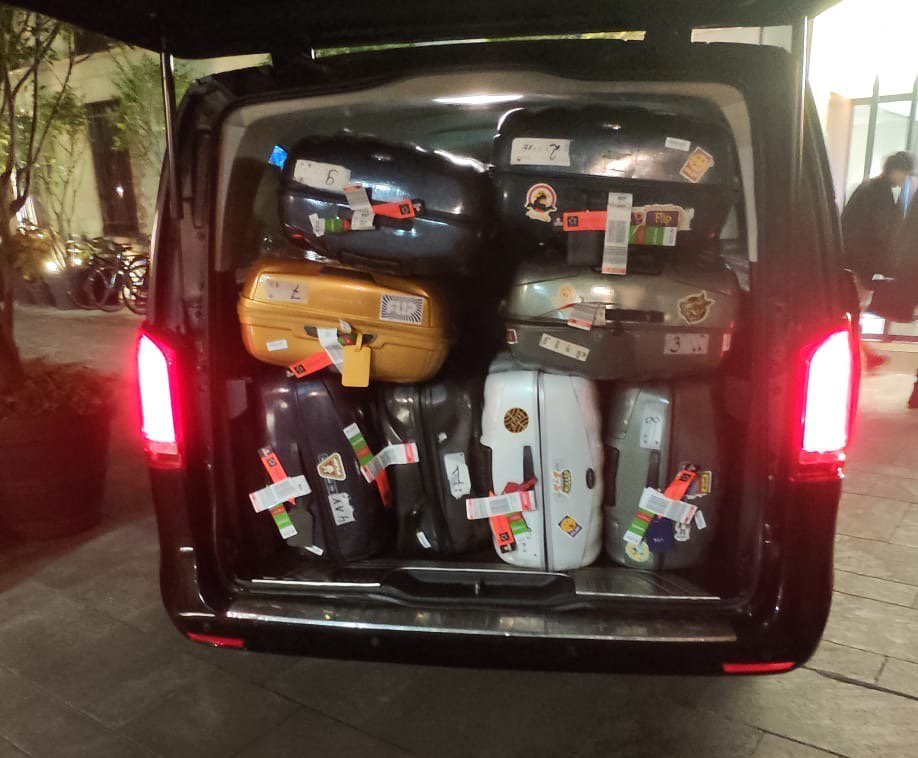
We would also like to point out that information about your ski bags and snowboards is key when selecting a transfer vehicle. To accurately estimate the size of the vehicle that will fit all your luggage, we will ask you about the type of ski bags. They come in two types: soft and hard. Hard ones are usually on wheels. They don't fit all vehicles, so in some cases, a roof box or even a trailer will be necessary.
Ski and snowboard covers:
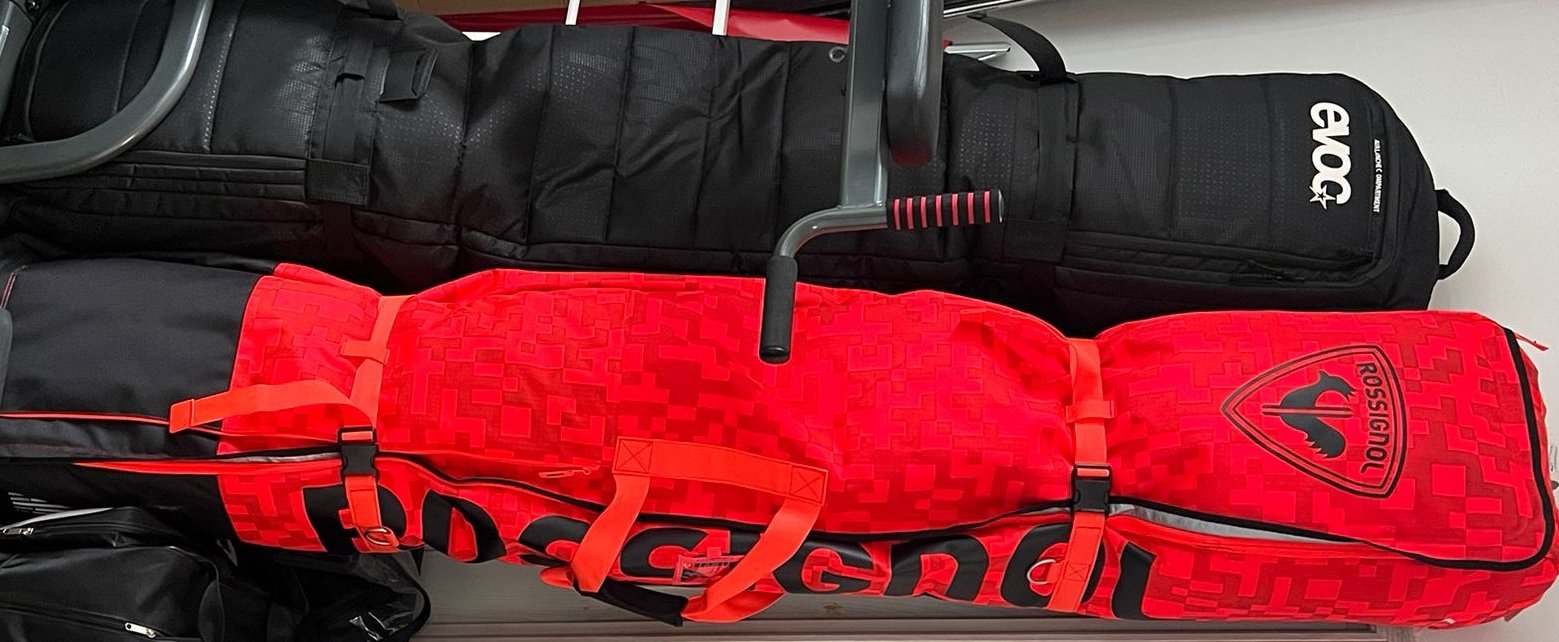
Special attention is paid to ski bags, which come in two types: soft and hard. If you have hard ski bags with wheels, be sure to let us know in advance, as not all vehicles can accommodate this luggage. For larger groups and bulky equipment, minivans or minibuses with a trailer can be provided.
Our company offers clients a wide selection of vehicles based on capacity and comfort level. Let's first consider the vehicle classes.
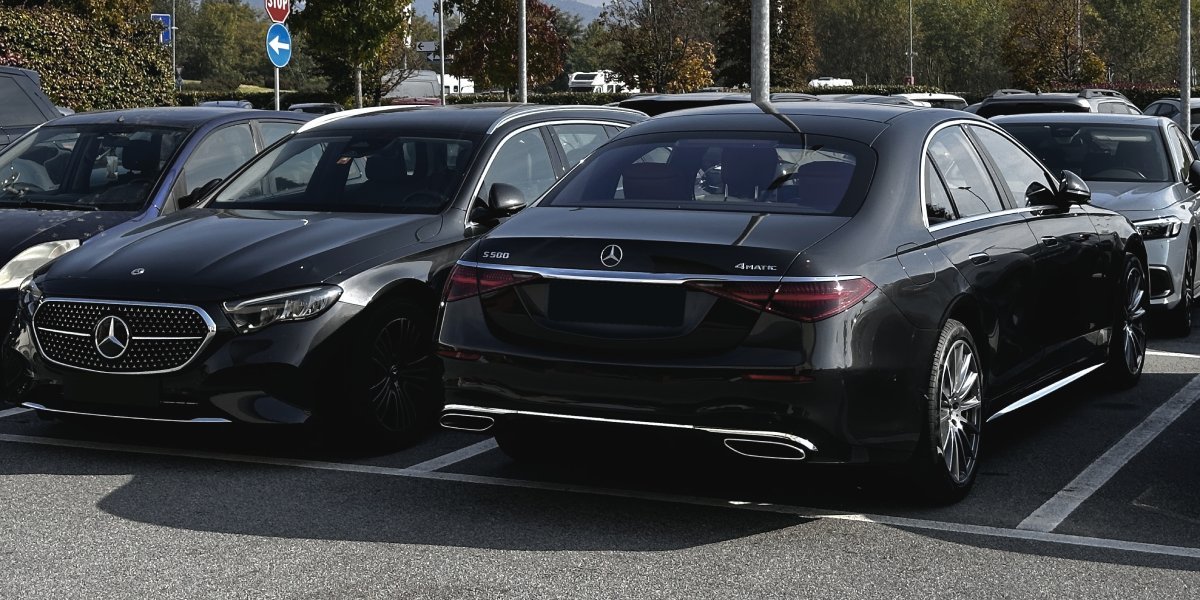
Car class:
Economy Class. A vehicle in this class is focused on affordability, practicality, and minimal comfort. The main purpose of these vehicles is to safely and economically transport passengers and luggage at a minimum cost. They are characterized by a minimalist interior design without complex elements or expensive decorative inserts. The body design is also simple: minimal chrome details, with an emphasis on functionality over prestige. The trim is generally practical and durable: fabric or inexpensive eco-leather, hard plastic with a basic texture. The color scheme is discreet, usually dark. The trim level is limited to the bare essentials for safety and comfort. Overall, the advantages include the lowest cost of travel, while the disadvantages include modest sound insulation, minimal technological options, and less space and comfort than in higher classes. Examples of economy class cars include the Ford Focus, Toyota Corolla, and Renault Trafic.
Comfort class. Cars in this class combine a fairly high level of comfort, modern design, and improved technical specifications compared to economy class. They are designed for those who want to travel in greater comfort while staying within a reasonable budget. The interior and exterior design is more elegant, with dynamic elements; chrome elements may be present, and aerodynamics have been improved. This class includes not only sedans but also crossovers. Trim materials include soft-touch plastics, high-quality fabric or combination eco-leather, and wood or aluminum accents. Soundproofing is significantly better than in economy class, and the seats are more ergonomic, with height adjustment and lumbar support. Some models feature heating or ventilation. Safety systems have also been improved. The downside is a higher price than economy class. This class is represented by the Volkswagen Passat, Toyota Camry, Skoda Superb, Skoda Kodiaq, Hyundai Santa Fe, VW Caravelle, and Ford Tourneo.
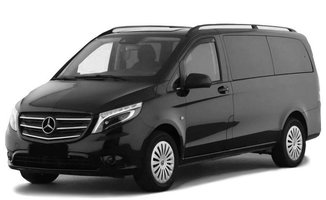
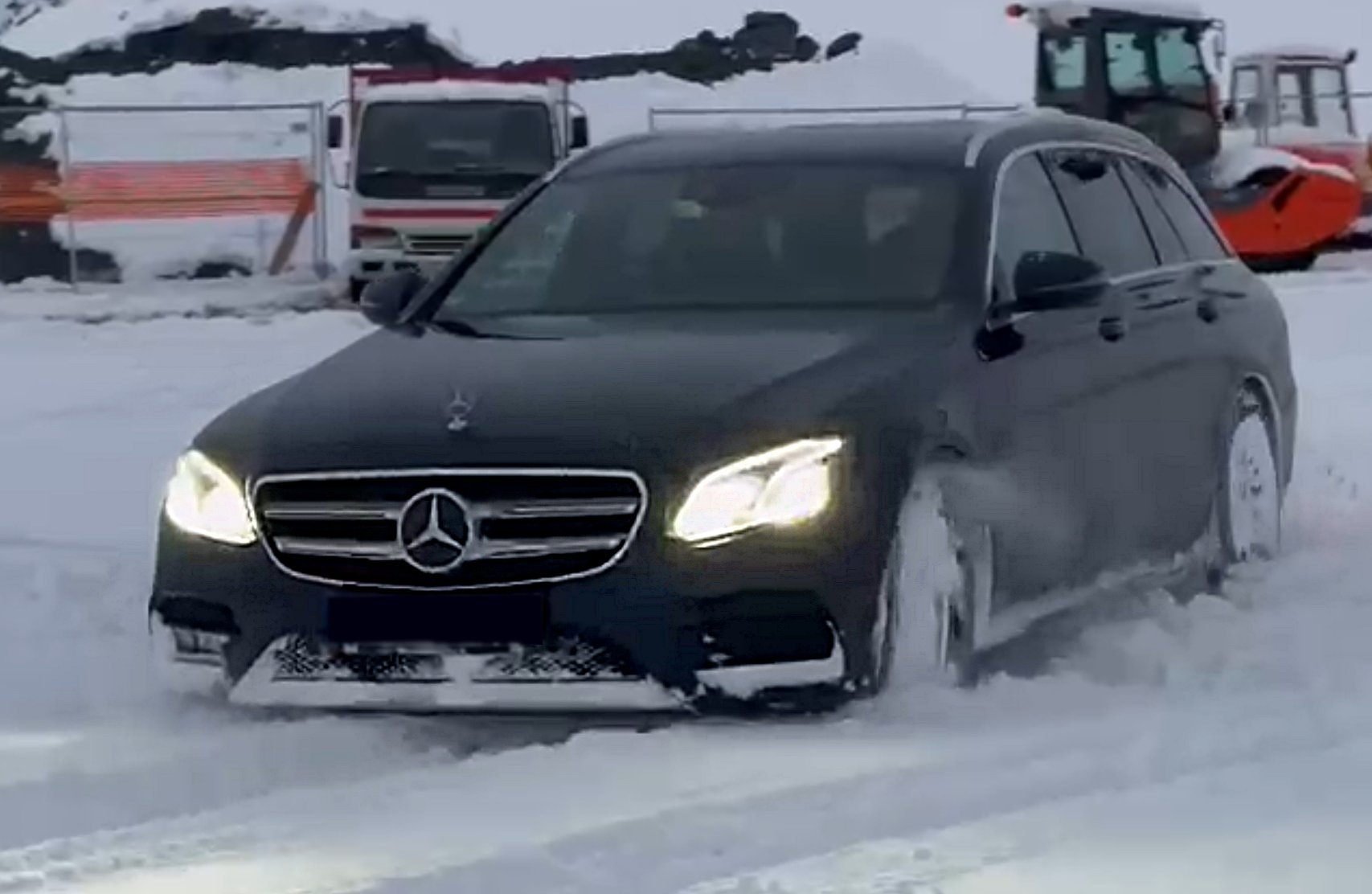
Business class. These cars combine a high level of comfort with modern technology and prestige. They are aimed at customers who value impeccable service, peace of mind, and status, whether on a business trip, an airport transfer, or a vacation between cities. The design of these cars is simple and elegant, with an emphasis on prestige. Clear lines, proportional shapes, and luxurious paint finishes. This class is characterized by larger body dimensions and a long wheelbase for ample rear passenger space. The overall style is solid and prestigious, inspiring confidence and a sense of high-quality service. The trim may include genuine leather (or premium eco-leather), soft-touch plastics, and decorative inlays of wood, metal, or carbon fiber. The interior typically features contoured seats with heating, ventilation, and electrical adjustments, armrests, footrests, and individual lighting. There is increased legroom, pull-out tables, USB charging ports, and climate control in the second row. Soundproofing is virtually complete. The safety systems are state-of-the-art and advanced. The obvious downside compared to lower classes is the relatively high transfer price, which is out of reach for the average traveler. This class is represented by the Mercedes-Benz E-Class, BMW 5 Series, Volvo S90, and Mercedes-Benz Vito.
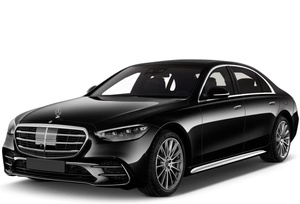
Premium Class. The pinnacle of comfort, elegance, and status. These cars are designed not just for driving, but for the highest level of travel, where every detail—from the suspension to the interior lighting—is thought out to perfection. This type of transport is often used for VIP transfers and meetings with high-ranking guests. The core idea of the premium class is absolute comfort, quietness, and prestige, felt from the very first moment of travel. Tourists choosing the premium class aren't concerned with price; personal comfort and peace of mind come first. The design of premium cars is refined and impressive, but without ostentatious luxury. The body features smooth, elegant lines, a signature recognizable grille, and signature lighting. The cars look as expensive as possible. The body dimensions are increased, especially in long-wheelbase sedans. The trim is made exclusively of natural materials: premium Nappa leather, Alcantara, rare wood, aluminum, or chrome. Needless to say, the highly ergonomic seats, adjustable in all directions, individual climate control with ionization and air purification, panoramic touchscreens, and premium sound systems are among the best in this class. Safety is at its highest level, sound insulation is perfect, and the ride is unmatched. The only downside is the cost, which only a select few can afford. Representatives of the premium class include the Mercedes-Benz S-Class, BMW 7 Series, and Mercedes-Benz V-Class.
By capacity:
By capacity, cars are typically divided into sedans, crossovers, minivans, and minibuses. Let's consider each type separately.
Sedans. A classic passenger car body type, typically with four doors and a separate luggage compartment, isolated from the passenger compartment. This is one of the most common and versatile formats, especially popular for city trips, business transfers, and intercity travel. The number of passenger seats is usually three or four, depending on the class. The trunk space is the smallest among body styles; these vehicles are not designed for carrying large luggage or sports equipment. They also have low ground clearance, making them less maneuverable off-road or in snow. Advantages include comfort and quietness, especially in classes above economy, good aerodynamics, and safety. This body style covers all comfort classes, from economy to premium. Examples include: Ford Focus, Tesla S, Skoda Octavia, VW Passat, Mercedes E-Class, Mercedes C-Class, and Mercedes S-Class.
SUV. This body style combines the comfort of a passenger car with the capabilities of an SUV. These vehicles have increased ground clearance, a taller body, a versatile interior, and often all-wheel drive, yet remain easy to handle and comfortable in urban conditions. Crossovers are the golden mean between a sedan and a full-fledged SUV: they look respectable, handle imperfect roads, and are as comfortable as a passenger car. They easily accommodate up to 4 passengers and a considerable amount of luggage thanks to their increased trunk space. An additional roof box can often be installed to accommodate even more suitcases. A drawback is slightly worse handling at high speeds than sedans. This body style also offers all comfort classes, from economy to premium. Examples of vehicles: Hyundai Santa Fe, Toyota RAV4, Mazda CX-5, BMW X3, BMW X5/X7, Audi Q7/Q8, Range Rover.
Minivan. This body type seats up to 8 passengers. Its main features are its high body, a fairly spacious interior, and a convertible seating arrangement. Minivans are most often used for group transfers or family trips, as well as for tourists with a lot of luggage, including large items. A trailer can be used to significantly increase luggage space. The body is monovolume—the engine compartment, interior, and luggage space are combined. The seats are either individual or convertible and can fold, rotate, or be removed. The high seating position provides excellent visibility, making them comfortable for both driver and passengers. The soft suspension, high ceiling, and large windows provide comfort on long journeys. On the downside, it's not as maneuverable as a sedan, but like a sedan, it's not particularly well-suited to poor road conditions. This body style covers a full range of vehicle classes. Some examples include: Fiat Scudo, Renault Trafic, Ford Tourneo, WV Caravelle, VW Multivan, Mercedes Vito, and Mercedes V Class.
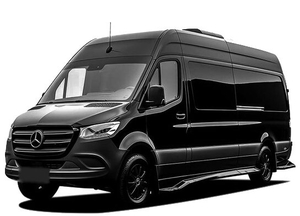
Minibus. This is a large passenger vehicle designed to carry 8 to 20 passengers, depending on the model. It combines the spaciousness and capacity of a bus with the maneuverability and flexibility of a passenger car. Due to their size, minibuses are most often used for group transfers, tourist excursions, and corporate transportation, as well as for tourists with a large amount of luggage. Luggage space can be increased by attaching a trailer, if necessary. The vehicles feature a spacious interior, high ceilings, and wide aisles. Minibuses are comfortable for long trips, equipped with comfortable seats, air conditioning, and a climate control system. One downside is their large dimensions, which require experience when parking and maneuvering. This body type is not designed for off-road use, although it is capable of confident driving on highways and mountain roads. They have slightly less dynamics and handling than smaller vehicles. Minibuses also come in different comfort levels. Examples include the Renault Master and Mercedes Sprinter, with varying trim levels and passenger capacity.
To illustrate and appreciate the obvious advantages of a private transfer, let's look at alternative ways to get to Zermatt from Malpensa or Milan.
Train Briefly, the route can be described as follows: Malpensa (MXP) → express train to Milan (Milano Centrale or Milano Cadorna) → Intercity/EuroCity train to Brig / Domodossola / Visp → regional train to Zermatt (via Visp).
More about the route:
Step 1. Malpensa Airport T1 → Milano Centrale or Milano Cadorna. Malpensa Express (shuttle) to Milano Centrale or Milano Cadorna. Travel time is 40-50 minutes. Trains run regularly (approximately every 20-40 minutes).
Step 2. Milano Centrale → Brig (or Domodossola → Brig). EuroCity train or regional trains to Brig. Average travel time is 2-2.5 hours (EuroCity is slightly faster - about 2 hours). There are several trains per day (EuroCity trains run regularly).
Step 3. Brig or Visp → Zermatt. From Brig, you can take the short commuter train to Visp, then transfer to the Matterhorn Gotthard Bahn (MGB) regional train from Visp to Zermatt. Travel time from Visp to Zermatt is approximately 1 hour. Trains run approximately once an hour.
If you are arriving at Milano Centrale, the most convenient route is the EuroCity to Brig, then local trains via Visp to Zermatt. The same algorithm and route apply when departing from Milano Centrale.
A brief summary of train times and frequencies by route:
Malpensa - Milano (Malpensa Express): trains every 20-40 minutes, travel time 40-50 minutes.
Milano Centrale - Brig (EuroCity): several trains per day, express trains – approximately 2 hours; Typical frequency: 4-6 departures per day (morning/afternoon/evening).
Visp - Zermatt (MGB): approximately once per hour, travel time is approximately 1 hour; more departures during peak hours.
Tasch - Zermatt (shuttle): approximately every 20 minutes from early morning to late evening; at night, infrequent departures/night schedule; travel time 10 min.
Please note that the exact schedule depends on the date (season, weekends, line maintenance), so always check the official websites of SBB.ch, Trenitalia, or TheTrainline/Omio before traveling.
The total travel time from Malpensa (MXP) to Zermatt averages 4-5 hours with convenient connections. With unfavorable connections or delays, travel time increases to 5.5-6 hours.
Travel time from Milano Centrale to Zermatt with good connections is 3.5 to 4.5 hours. Some routes and transfers take longer (depending on the specific train).
Let's look at approximate ticket prices.
Malpensa - Milano (Malpensa Express) - around CHF13-15 (one-way).
Milano - Brig (EuroCity) - around CHF 35-80 (depending on class and early booking).
Visp - Zermatt (MGB) - in the range of CHF 20-45 (usually around CHF 17-45 depending on the fare and discounts).
Tasch - Zermatt (shuttle): approximately CHF 17-20 roundtrip; it's best to check the price on the MGB website.
The total cost of the trip can range from CHF60 to CHF100 one-way, depending on the route, class, and availability of discounts. Tickets purchased in advance on official websites are often cheaper than last-minute tickets.
Pros of rail transport:
Cons of rail transport:
The least reliable way to travel to Zermatt from Milan or Malpensa.
From Malpensa, you will need to travel to Milan (by train or car) in any case. Direct bus services from Milan exist, but are very few – 1-3 per day. Buses sometimes go through Châtillon/Brig and stop in Tasch, where you need to transfer to a shuttle or train. Prices can start as low as CHF15 (on sale), but this mode of transport is often more expensive and slower than the train.
Pros of the bus:
Cons:
The nearest helicopter landing pad in Zermatt is Heliport Zermatt (Air Zermatt), located on the outskirts of Zermatt, a 5-10-minute drive from the city center. Flights are by reservation only, are weather-dependent, and operate only during daylight hours. Air Zermatt requires prepayment upon booking (approximately 30% of the fare).
Here are the route descriptions from Milan and Malpensa:
Malpensa (MXP) - Zermatt (Zermatt heliport). Flight time is 25-35 minutes, depending on the flight path and helicopter type.
Milan (city center / city heliport / Linate / Como heliport) - Zermatt. Flight time is 25-45 minutes (depending on the departure point in the Milan area and the helicopter type). From the city heliports or Linate, the flight is shorter than the overland route to Malpensa plus the flight.
Sometimes carriers combine the helicopter and transfer in price and time estimates. For example, a flight from Zermatt to Chiasso, then by car from Chiasso to Malpensa.
Helicopter types used:
Airbus (AStar) H125 / AS350 - a light single-engine helicopter used for short flights. It is characterized by maneuverability and excellent visibility, and can carry up to 4 passengers with luggage.
The AW109 / Bell 429 / Airbus H135 are light-to-medium twin-engine VIP helicopters. They are faster, more comfortable, and safer in mountainous conditions in terms of power and range, often accommodating up to 6 passengers.
The Robinson R44 / Robinson R66 are more fuel-efficient single-engine variants, accommodating up to 4 passengers, but are limited in payload and mountainous capabilities.
What is the cost of the flight? Helicopter transfers are operated as charter flights, meaning the price is fixed upon request and depends on the selected helicopter type, flight time, ground logistics, number of passengers, and season.
The average cost of a 30-minute flight in Switzerland ranges from CHF 1.400 to CHF 2.500 (depending on the helicopter type and carrier). The upper end of the range is the minimum price for VIP helicopters.
Generally, you should expect a cost in the range of several thousand euros/Swiss francs per flight. Of course, this is several times more expensive than the most luxurious car transfer, but it is significantly faster and more exciting.
Here are some of the rules, regulations, and limitations inherent to helicopter transfers:
Advantages of helicopter transport:
Disadvantages of helicopter transport:
We've reviewed alternative modes of transport for the Milan/Malpensa - Zermatt route. Now let's look at the obvious advantages of a private transfer:
Using a transfer in winter conditions is safe and secure, as our drivers are familiar with mountain roads and equip their vehicles with special tires or snow chains.
 |
Write to info@bycar.su |
 |
Fill out the order form on the transfer page |
 |
Send a message to WhatsApp or Viber |
 How to pay for the transfer:
 The transfer price includes:
 |
Experienced English-speaking drivers |
 |
Meeting you with a sign displaying your name |
 |
Fixed price |
 |
No extra charge if your flight is delayed |
 |
Road toll included |
 |
Free child seats |
 |
Wi-Fi |
 |
9 years of experience |
 |
We work in 8 countries in Europe |
Malpensa airport (MXP) is considered the most convenient for reaching Zermatt (Tasch): a distance of 189 km and a travel time of approximately 3 - 3.5 hours. There are a lot of flights from many cities in Europe and Asia. It is easy to find a flight at a good price at a convenient time.
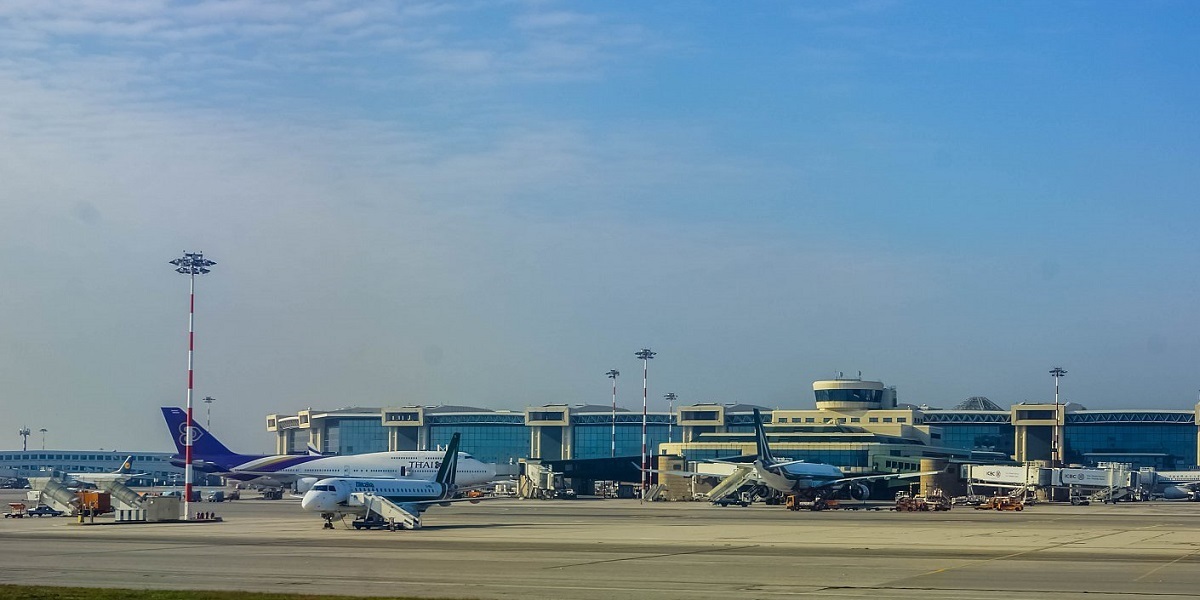
There are also other airports that offer convenient access to the resort:
Zermatt is a famous mountain resort in southern Switzerland, in the canton of Valais. Situated at an altitude of 1,620 meters above sea level, it sits directly at the foot of the legendary Matterhorn, a 4,478-meter peak—one of the most recognizable in the world.
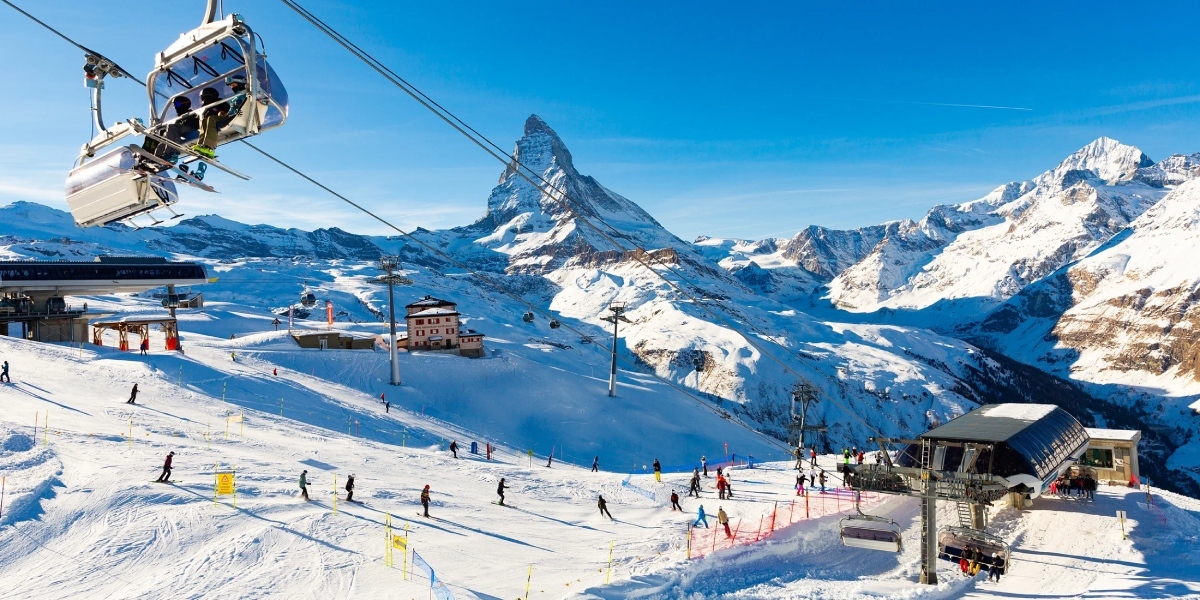
The resort is located at the end of the Mattertal valley, near the Italian border. Public transportation is generally only available as far as the village of Tasch, where parking and a train station are located. Further access to Zermatt is only possible by electric train or electric car, as the town is completely car-free.
A little history.
Zermatt's history began as a small Alpine village of shepherds and hunters. In the 19th century, explorers and climbers began arriving here, drawn by the majesty of the Matterhorn. In 1855, the first hotels and mountain huts opened. Ten years later, the famous first ascent of the Matterhorn, led by Edward Whymper, took place. The outcome was tragic, but it brought the town worldwide fame. In the 20th century, Zermatt became an elite ski resort in Europe. Today, it is one of the most prestigious and environmentally friendly Alpine resorts in the world.
Attractions and atmosphere.
Zermatt is more than just a ski resort, but a cozy Alpine town where tradition, comfort, and luxury blend.
Main Attractions:
The Matterhorn is the symbol of Switzerland and the most photographed peak in the Alps.
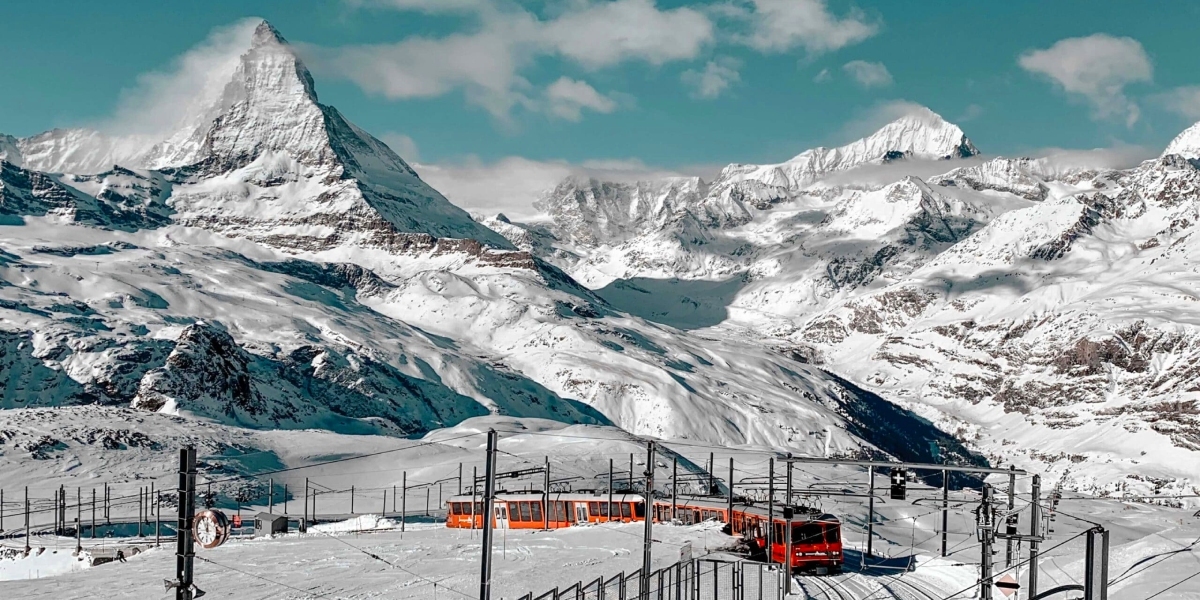
The Gornergrat Bahn (railway) ascends to an altitude of 3,089 m to the Gornergrat viewing platform, offering panoramic views of the Matterhorn and glaciers.
The Matterhorn Glacier Paradise cable car is the highest in Europe (3,883 m), leading to a viewing platform and ice rink. Matterhorn Museum – Zermatlantis – an interactive exhibition about the history of mountaineering and the development of the region
Old Church of St. Moritz and the "Alpinist Memorial Street" with the names of those who conquered the Matterhorn
The historic village center with wooden houses from the 18th and 19th centuries
Description of the ski slopes:
In winter, Zermatt becomes the world capital of alpine skiing. The resort is connected with the Italian Breuil-Cervinia, forming one of the longest ski areas in Europe.
Total length of slopes: over 360 km (Zermatt + Cervinia + Valtournenche).
Slope altitude: from 1,620 to 3,883 m (the highest ski area in the Alps).
Ski season: from late November to early May, and year-round on the glacier.
Lifts: over 50 modern lifts (cabins, chairlifts, gondolas).
Matterhorn Ski Paradise offers a variety of slopes: green slopes for beginners (Sunnegga and Riffelberg), blue slopes (Gornergrat and Blauherd), advanced red slopes (Theodul Glacier and the slopes to Cervinia), and professional black slopes (World Cup training slopes).
Zermatt is the only resort in Switzerland where you can ski on the Theodul Glacier in summer.
In winter, it attracts skiers and snowboarders of all levels, professional athletes (national teams train here), families with children (thanks to the gentle skiing areas), VIP guests, and celebrities (the resort is famous for its premium hotels and Michelin-starred restaurants).
What to do in Zermatt in the summer?
In the summer, Zermatt becomes a paradise for lovers of outdoor activities and nature. Hiking is possible, as there are over 400 km of scenic trails with views of the Matterhorn (including the legendary Five Lakes Route). Mountain biking and e-biking are also available, with dozens of routes of varying difficulty. Mountaineers and rock climbers will find routes for both experienced and novice climbers. Climb the Gornergrat or Matterhorn Glacier Paradise, where unforgettable Alpine panoramas await. Zermatt hosts traditional Swiss festivals, cheese, wine, and chocolate tastings.
Zermatt is more than just a resort; it's a symbol of the Swiss Alps, a place where mountains and luxury merge in harmony. It's ideal in winter for skiing, sports, and luxury recreation, and in summer for hiking, relaxation, and nature trails. A sense of alpine freedom and perfection reigns here year-round.
The fastest way to get from Malpensa or Milan airport to Zermatt is by helicopter, which takes only 45-55 minutes directly to the heliport in Tasch or near Zermatt. This is the most expensive option. A good balance of price, comfort, and time is a car transfer. Travel time: approximately 3-3.5 hours.
No, there is no direct train from Milan or Malpensa to Zermatt. You need to transfer, usually via Domodossola and Brig to Tasch station, from where you can take the commuter train (10 minutes) to Zermatt itself.
Rough estimates for taxi prices from Milan Malpensa Airport or Milan to Zermatt (or a nearby point, like Tasch). The price depends on the number of passengers, the size and class of the car, the season and the time of day. Italian taxi from Malpensa costs 600-700€, but Swiss taxi costs 800-1000CHF
The best way to get from Milan or Malpensa Airport to Zermatt depends on your budget, time, and the level of comfort you prefer. The cheapest and least affected by traffic is the train. However, it's better to travel light, as there are transfers. The cost is around €60-€80 per person. The most expensive and exciting option is a plane. It depends on weather conditions and doesn't require much luggage. It costs from €4,000 per flight (for up to 5-6 people). A private transfer is the perfect balance. It combines comfort, speed, and a relatively low price. Prices range from €400 for a sedan, €450 for a minivan.
The distance from Malpensa Airport is approximately 189 km. Travel time by car is 3–3.5 hours. From central Milan, the distance to Zermatt (Tasch) is approximately 226 km. Travel time by car is 4–4.5 hours. Cars can only reach the village of Tasch (7 km from Zermatt). From there, electric trains or electric cars depart for Zermatt itself, taking 10 minutes.
Transfer times to Zermatt vary depending on the departure point, time of day, date, and road conditions, especially during the winter season. From Malpensa Airport, the average travel time under normal traffic conditions is approximately 3 - 3.5 hours. From central Milan, the average travel time is 4–4.5 hours. The final section from Tasch to Zermatt by electric train or electric car takes approximately 10 minutes.
There is no direct bus from Malpensa or Milan to Zermatt. You can only travel part of the way by bus: from Malpensa to Domodossola, and from Milan to Brig or Visp, and then change trains to Tasch.
The cheapest way to travel from Milan and Malpensa Airport to Zermatt is by train. There is no direct train; transfers are required. The main route is Milan - Brig/Visp - Tasch - Zermatt. The total cost of the trip is €60–80 per person.
Child seats and booster seats are included in the price of all our transfers. Please inform us of the children's ages when booking your transfer, and the driver will provide the appropriate seats or boosters.
Yes, our services are very convenient to use online. You can book a transfer by submitting a request on the website, contacting an operator via WhatsApp, or sending an email. Payment is accepted in cash, by card, or by bank transfer.
The driver will be notified of a flight delay by tracking the flight on the airport website. If the delay is not significant, they will simply adjust the pickup time. If the flight is delayed for several hours, we may need to arrange a different vehicle for you.
Transportation of any luggage is included in the transfer price. The only question is whether you provided us with a complete description of your luggage when booking your transfer. The comfort of your trip depends on this. We strongly encourage you to provide as detailed a description of your luggage as possible so we can select the appropriate vehicle for you and avoid additional charges for an additional vehicle.
Yes, the vehicles we use for our transfers are equipped with everything necessary for safe mountain travel during the winter season, including winter tires and snow chains.